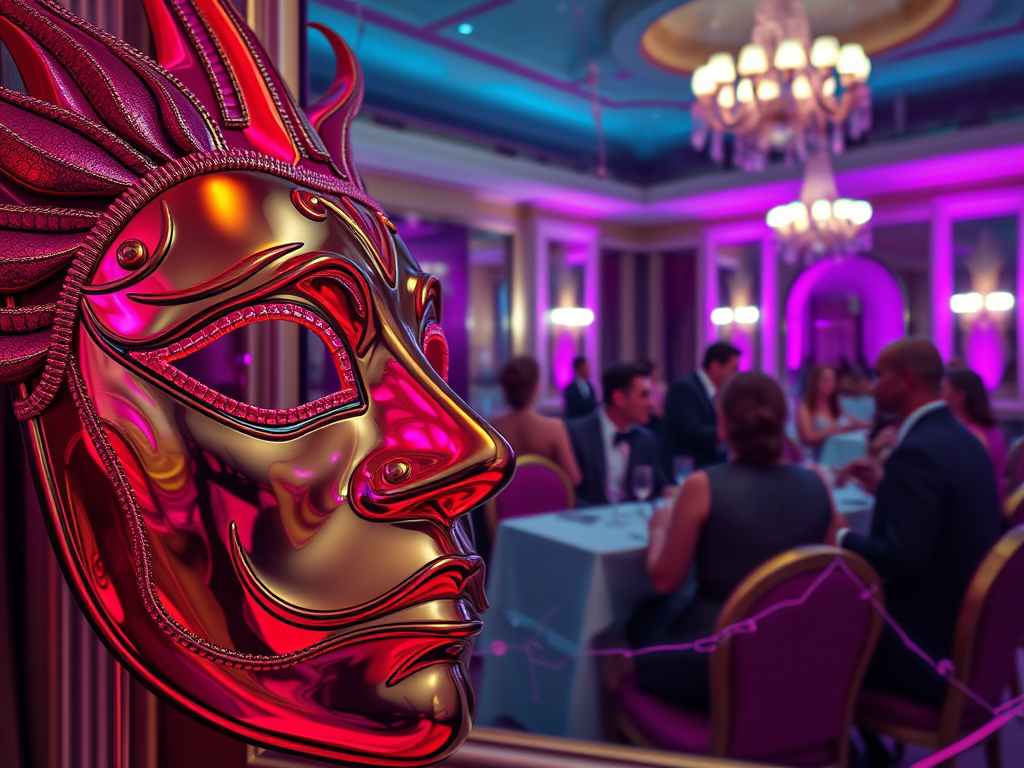
Luxury beliefs are not things that are worn, rather they are things that are spoken, often softly, behind the cover of clever words, but always with good intentions.
They are modern marks of status that signal moral virtue while costing the speaker relatively little, if nothing at all.
These beliefs, as set out by Rob Henderson, are not rooted in lived experience, but rather in comfort.
They are the beliefs that flourish in boardrooms, dinner parties and university lectures, where the right language can open doors and adoption of the right cause can protect reputations.
They are beliefs that do much for the person who holds them, but relatively little for the people they claim to help.
Supporting diversity is one example.
In elite spaces, diversity looks like gender equity on corporate boards or queer visibility in political leadership, but we rarely ask diversity for whom?
While positions of leadership take on the appearance of change, the backgrounds stay the same. Private school educations, powerful social networks, expensive clothes worn well, polished language and cultured tastes.
The right people say the right things, but this is not a rejection of privilege, merely its reshaping and reinvention.
Luxury beliefs allow the appearance of being progressive, while preserving the very systems that serve individuals who already enjoy positions of authority and responsibility.
They turn solidarity into performance and allyship into strategy, offering well crafted narratives that centre on a central theme of: “I am not like those elites. I am different, aware, better.”
But this narrative only goes so far and there is no contextualising as to how a private education was paid for, how success was inherited, or how doors were opened before they were even knocked on.
These beliefs speak of fairness but seldom come with action. In fact, they are spoken from a place of safety, where there is a reluctance to enter the world, act with courage and risk something.
Hence the power of luxury beliefs, which offer the comfort of simple solutions in a complex world, where guilt can be transformed into goodness, like base metals into gold. It is a type of modern-day social alchemy.
But this allows inequality to persist, albeit in a new package that is quiet, polite and invisible.
Equality of opportunity is not found in symbolic acts and gestures, but through asking difficult questions, in giving something up and in stepping aside so that others can step forward.
Until we stop mistaking moral language for moral action, power will be preserved and privilege renamed.

 Jack Bilson On...
Leave a comment