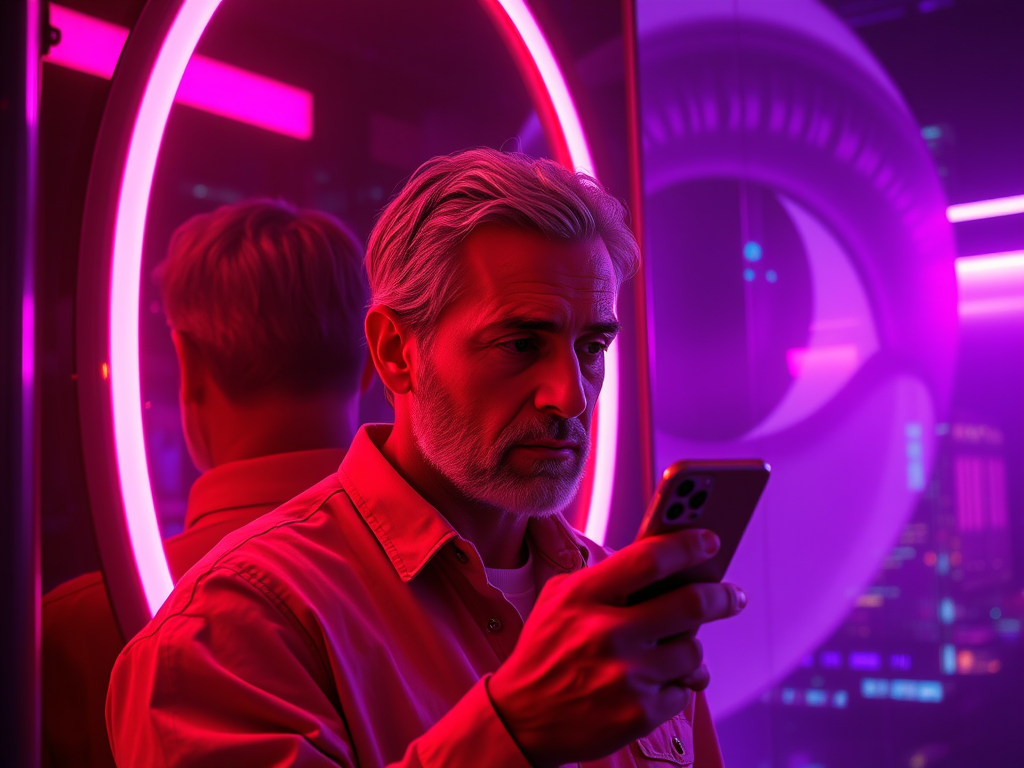
The concept of identity is shifting. What we understand as the self is no longer private or fixed, but rather a curated performance made for public consumption. Social media, in particular, turns our everyday moments into stages where what we know, share, and display becomes a form of influence and control.
The internet, and increasingly generative AI, gives knowledge the appearance of being abundant and free. We can access information instantly. However, access to knowledge is not the same as knowing. It does not mean that we understand how that knowledge has been filtered, framed and amplified. This is important as algorithms, influencers, and networks shape what we see and how we see ourselves.
More than anything, the digital environment invites constant self-surveillance. Like prisoners in a panopticon, who watch themselves because someone else might be watching them, we monitor and manage our online presence. We carefully select every post, photo and comment to craft a desired image. We stage offline moments so that we might have the perfect selfie backdrop.
But this curated self comes at a cost. Online, we are inundated with idealised versions of success, beauty and happiness, crafted by others and amplified by platforms. These polished selves, moving through seemingly perfect lives, create pressure to conform rather than explore or express something sincere, if not authentic.
So, who do we become through this constant curation?
As modern philosophers have noted, our identities have become increasingly fluid, constructed through a combination of culture, technology and social expectations. However, one of the most striking shifts is how identity now functions as a public narrative.
We must display our life story to the world.
This has significant implications for those without social media accounts, LinkedIn profiles or any discernible digital footprint. Such anonymity is increasingly viewed with suspicion. Choosing privacy can increasingly feel unsafe in a hyper-transparent society, where having little to hide becomes the norm. Failing to engage openly with the digital world is increasingly perceived as a red flag. It suggests that you have a past blemish, mark, or stain you would rather not reveal. You must be weird.
This insight is both liberating and unsettling. Resisting over-investment in a curated online self might be essential for mental and emotional well-being, but balancing this with an increasingly digital world can be challenging to navigate.
Real agency might lie not in the information we consume or share, but in how we engage with it and how we choose to define ourselves beyond a screen.
Curated identities are a feature of the cultural moment, and we must meet them with an increased level of awareness and intentionality. Only then can we reclaim ourselves against a relentless digital performance.

 Jack Bilson On...
Leave a comment